Business Name: FootPrints Home Care
Address: 4811 Hardware Dr NE d1, Albuquerque, NM 87109
Phone: (505) 828-3918
FootPrints Home Care
FootPrints Home Care offers in-home senior care including assistance with activities of daily living, meal preparation and light housekeeping, companion care and more. We offer a no-charge in-home assessment to design care for the client to age in place. FootPrints offers senior home care in the greater Albuquerque region as well as the Santa Fe/Los Alamos area.
4811 Hardware Dr NE d1, Albuquerque, NM 87109
Business Hours
Monday thru Sunday: 24 Hours
Facebook: https://www.facebook.com/FootPrintsHomeCare/
Instagram: https://www.instagram.com/footprintshomecare/
LinkedIn: https://www.linkedin.com/company/footprints-home-care
Most older grownups, when asked where they wish to spend their later years, offer the very same response: at home. Not in a facility, not in a distant town, but in the place where the light falls a specific method the kitchen and the next-door neighbors understand their name. The difficulty is bridging that desire with truth when mobility, memory, or persistent disease start altering what "safe" and "independent" look like.
That is where senior home care steps in. At its finest, in-home senior care is not simply a set of tasks, however a versatile support system that adjusts as needs alter. It makes it possible for aging grownups to stay in familiar surroundings, while households gain the self-confidence that someone trusted is paying attention when they can not be there.
This sort of support matters everywhere, but it has specific weight in places like Albuquerque, where households might be spread out throughout the city or out in surrounding neighborhoods, and where driving, altitude, and heat can all affect an older grownup's day-to-day life. Thoughtful Albuquerque home care can be the difference between an older adult sensation caught and susceptible, or anchored and supported.
What senior home care actually means
"Home care" is a broad term that gets used loosely. In practice, it usually refers to non-medical support services offered in someone's home: aid with bathing, dressing, cooking, light housekeeping, medication tips, and transportation to appointments or errands. This is the core of at home senior care.
Home health care, by contrast, refers to medical services prescribed by a doctor. That may include injury care, physical treatment, knowledgeable nursing visits, or keeping track of complicated conditions after a health center stay. Numerous families utilize both, often from different firms, often under one umbrella.
There are a couple of standard foundation that tend to appear across a lot of senior home care plans:
Care with daily activities. A caretaker might assist your mother bathe safely, use lotion to delicate skin, design her hair the way she likes it, help your father choice clothing that match the weather, or assist with toileting and incontinence care while protecting privacy.
Household assistance. This typically consists of simple meal preparation, dishes, laundry, bed-making, and basic tidying. It is not the same as a complete housekeeping crew, however it is enough to keep the environment tidy and manageable.
Companionship. Excellent caregivers do not simply "do jobs." They sit and listen to stories, play cards, take strolls, assist somebody call the https://footprintshomecare.com/albuquerque/ grandkids, or just share quiet company. Solitude is among the most destructive forces in later life. In-home care is typically the antidote.
Transportation and errands. Many older adults can no longer drive safely, yet still need to see the doctor, the barber, their faith neighborhood, and the grocery store. A caregiver who knows local routes, parking, and mobility limits ends up being essential.
Care coordination and observation. Experienced caretakers notice patterns. They see that Mrs. J is consuming less, that Mr. R is more short of breath after walking to the mailbox, or that the pile of unopened mail is growing. Those details enable households and clinicians to intervene early instead of awaiting a crisis.
The mix of these components can be very light - a few hours per week of support - or exceptionally extensive, as much as 24-hour coverage. The key is tailoring the quantity and kind of support to the actual individual in front of you, not to a generic idea of "elder care."
Safety in the house: danger without panic
Families usually initially consider home look after parents after a scare. Maybe there was a fall and a journey to the emergency clinic. Perhaps a next-door neighbor found a parent confused outside. Or a son notices burned pans in the sink and recognizes his mother is forgetting food on the stove.
The goal of senior home care is not to smother older grownups in bubble wrap or strip away their autonomy. It is to manage danger reasonably, with respect.
A useful home safety technique through in-home care often includes:
Thoughtful supervision of high-risk tasks. Someone who still demands preparing their own eggs might be fine with a caretaker nearby to double-check the range and manage heavy pots. An individual with early dementia might continue to use the microwave safely long after the oven ends up being a hazard.
Fall prevention woven into daily life. Rather of a one-time "fall evaluation," an excellent caretaker constantly observes. They might observe that your father mixes more in the evening or that your mother grabs furniture to steady herself. That can lead to easy changes: better lighting, getting rid of loose rugs, suggesting a physical treatment referral, or adjusting the schedule so showers happen when the individual is strongest.
Medication regimens that are realistic. Numerous older grownups take 5 to 10 medications. A caretaker who utilizes a tablet organizer, triggers at constant times, and notices when refills are low can prevent both missed out on doses and unexpected double-dosing.
Monitoring without treating the home like a hospital. Safety aids, such as grab bars, shower chairs, or movement lights in corridors, can mix into the home rather of making it feel institutional. A skilled home care group knows how to advise useful modifications without frustrating the individual who lives there.
I once worked with a family whose 88-year-old father had actually fallen two times in a month. His child was all set to move him to assisted living. He was determined about remaining in his small adobe home near Old Town. By adjusting furnishings, including two grab bars, presenting a morning caretaker to supervise his shower, and shifting one high blood pressure medication to the night (after his physician's approval), we drastically decreased his fall danger. 2 years later on, he was still at home, still persistent, and still more secure than he had been throughout those very first falls.
Comfort, self-respect, and the psychological ground of home
Safety matters. However if you talk with older grownups about why they wish to stay at home, they talk less about risk and more about identity. Their kitchen area. Their garden. Their photos on the walls. The specific chair where they read every night.
Senior home care secures that psychological ground.
Being helped in your own bathroom feels really different from requiring help in a shared institutional bathroom. Answering the door in your robe for a familiar caregiver is various from a turning cast of strangers. In-home care permits support to twist around the individual's routines instead of the other method around.
Dignity is not abstract here. It can appear like a caregiver who takes the extra five minutes to button a shirt just the method your father used to, rather of pressing him into whatever is most convenient. Or somebody who understands that your mother has always used lipstick, and that she feels more like herself when her morning regular consists of that small ritual.
For many older grownups, particularly those in neighborhoods with strong cultural or religious ties, staying at home likewise keeps them near to what offers life texture. In Albuquerque, that might mean the capability to go to Mass at a familiar parish, keep a small altar, work a little in the yard at dawn when the air is cool, or maintain ties to a neighbor who has actually dropped in every Friday for 20 years.
In-home senior care need to never ever flatten those information. It ought to protect and enhance them.
Early signs that home care for parents might be needed
Families often wait too long to look for aid, partly out of respect, partly out of worry that generating caretakers will activate dispute. Typically by the time someone calls a home care agency, the situation is currently urgent.
There are common patterns that recommend it is time to a minimum of explore choices for home care for parents:
Noticeable weight reduction or poor nutrition, such as ended food in the refrigerator, regular skipped meals, or noticeable frailty. Changes in personal hygiene, like using the exact same clothes repeatedly, strong body odor, or refusal to bathe because the shower feels unsafe. Increasing seclusion, with less trips, missed out on social activities, or signs of anxiety or stress and anxiety about leaving the house. Medication confusion, consisting of missed out on doses, extra dosages, or unpredictability about which tablet is which. Safety incidents, such as falls, leaving the stove on, roaming, small cars and truck mishaps, or unpaid expenses stacking up.None of these, by themselves, instantly indicates a parent needs to vacate their home. Rather, they are flags that the existing setup is not sustainable without some type of elder care support. Among the benefits of senior home care is that it can begin small. Three afternoons a week might be enough to support nutrition, lower solitude, and make sure medications are taken as recommended. If requirements grow, hours and services can grow with them.
Types of in-home senior care: more versatile than many people realize
Families in some cases picture that in-home care is a binary alternative: either around-the-clock or absolutely nothing. In practice, there is a large spectrum, and that versatility is one of its strengths.
Short, targeted visits can be ideal for somebody who requires assist with showers a few times each week, or for a partner who needs a reputable break to attend their own visits. A caregiver may come for two hours every Monday, Wednesday, and Friday, concentrate on bathing, grooming, and a basic meal, and then leave the rest to the family.
Daily blocks, such as early morning or afternoon shifts, work well for those who require consistent assist with dressing, toileting, and meals but are reasonably safe unattended in the evening. Morning protection may focus around getting out of bed, handling incontinence, preparing breakfast, and arranging medications. Afternoon assistance might manage lunch, light exercise, and a walk or companionship.
Overnight or live-in care ends up being appropriate when somebody is hazardous alone, particularly with dementia, frequent nighttime wandering, or high fall risk. In these cases, rotating caregivers might cover 8 to 12 hour shifts, or a live-in caregiver may remain in the home for several days at a time, with defined breaks.
Respite care offers short-lived relief for households who are primary caregivers. This might cover a vacation, a work trip, or simply a week to catch up on rest and individual obligations. A well-run home care company in Albuquerque or in other places knows how to step in briefly without disrupting the existing regimens more than necessary.
Medical status likewise shapes the type of service. Someone recovering from hip surgery might need a combination of home health (post-surgical nursing and physical treatment) plus short-term non-medical home take care of bathing and movement assistance. An individual with advanced heart failure might take advantage of regular nursing visits for monitoring along with longer companion care visits to support day-to-day living.
The most effective strategies are reviewed typically. What worked three months earlier might be either excessive or insufficient today.
The Albuquerque context: distance, climate, and community
Albuquerque home care includes its own set of practical considerations. The city extends over a large area, and public transportation, while enhancing, does not serve every neighborhood effectively. Lots of older adults who utilized to drive fars away on I-25 or I-40 now face slower response times and vision changes, specifically at night.
This is where transportation assistance within home care takes on outsize importance. A caretaker who can safely drive a client to appointments at Presbyterian, UNM, or a professional in the Northeast Heights, and after that navigate pharmacy stops later, considerably decreases stress for both the senior and their household. It likewise minimizes missed consultations that result in avoidable health crises.
Climate matters also. Albuquerque's hot summer seasons and dry air can get worse dehydration, dizziness, and breathing concerns. Caregivers learn to motivate routine fluids, recognize indications of heat tension, and schedule errands and strolls previously or later on in the day. In winter, icy patches and cold early mornings increase fall danger, especially when older adults insist on recovering the newspaper or mail themselves.
Cultural and family patterns form how individuals utilize elder care too. Numerous regional families are deeply committed to keeping aging parents in your home within a multigenerational setup. This is a strength, and also a prospective point of burnout. It prevails to see an adult child working full-time, raising children, and also trying to offer 20 or more hours weekly of hands-on care. Presenting at home senior care as a supplement, not a replacement, can give that family caretaker breathing room while honoring the underlying value of taking care of senior citizens at home.
There are likewise rural and semi-rural pockets around Albuquerque where ranges are greater and resources less. Reaching a home east of the mountains or on the West Mesa may need mindful scheduling, yet the requirement for support is the same. When examining companies, households in such areas need to ask honestly about service boundaries, travel policies, and how they manage weather interruptions or emergencies.
Cost, trade-offs, and what "economical" actually means
One of the very first questions households ask is: "How much will this cost?" The sincere response is that it differs based upon place, level of care, and hours per week, however private-pay non-medical home care is rarely inexpensive. Common per hour rates in lots of parts of the United States fall under the 25 to 35 dollar variety, with some markets higher.
At first glimpse, that can look more pricey than assisted living. However the contrast is not constantly uncomplicated. Assisted living typically has a base rate, then layers on added fees for greater levels of care. A fairly independent older adult may discover that three to 4 hours of aid each day in the house expenses less monthly than moving into a facility, particularly if the home is already paid off.
For those who certify, Medicaid or state waiver programs sometimes cover individual care services in the house, although eligibility and availability differ commonly and waiting lists can be long. Particular Veterans Affairs benefits might likewise assist spend for at home senior care. Households need to connect with local aging and disability resource centers or trustworthy agencies that can describe local programs without overpromising.
There is likewise a "concealed" expense that families take in when they supply all care themselves: lowered work hours, lost promotions, health impacts, and exhaustion. Lots of adult children undervalue just how much time they are currently investing. Keeping a simple log for two weeks frequently exposes that a daughter or boy is efficiently providing 25 or more hours of unsettled care weekly. In that light, spending for 10 to 15 hours of professional elder care may turn out to be both more reasonable and safer.
Still, budget restrictions are real. This is where customizing matters. Rather of presuming that the only responsible choice is full-time care, an excellent Albuquerque home care supplier will help prioritize: early mornings rather of all the time, focus on bathing and safety, or alternate days instead of everyday shifts. Honest discussion about financial resources early on prevents bitterness later.
Choosing a senior home care service provider: what to look for
Once a household decides to explore in-home care, they deal with a congested market. Slick pamphlets and polished websites reveal extremely little about what the experience will seem like at 7 a.m. On a Monday when a caretaker sounds the doorbell.
Here is a grounded list to direct those first discussions with firms:
Ask how caretakers are screened, trained, and monitored, including background checks, referral checks, and ongoing education, not just preliminary orientation. Clarify who manages the case: is there a dedicated care planner or nurse you can call, and how typically do they actually visit or examine in? Explore scheduling flexibility, including minimum hours per shift, cancellation policies, and how they manage last-minute needs or caretaker illness. Discuss communication expectations, such as how caretakers record visits, how families are upgraded, and what happens if issues about safety or health changes arise. Evaluate cultural fit: does the company have experience with households like yours, whether that includes language, customs, faith practices, or specific medical conditions?It is often a good idea to start with a trial period and observe. Does the caretaker show up on time? Does your parent appear more unwinded after visits or more upset? Are small promises kept, such as bringing a favorite treat or following a preferred routine?
Pay attention to how the agency reacts when something fails, due to the fact that something will. A missed out on shift, a personality clash, a miscommunication about jobs. Reliable service providers do not reject problems; they resolve them straight and adjust.
Keeping household close, even when care is delegated
A worry I hear frequently is, "If we bring in home care, will Mom think we are abandoning her?" The reverse is normally real, if the family stays engaged.
In-home senior care works best as a collaboration. Families understand history: which foods somebody likes, which tunes relax them, what routines matter. Caretakers understand everyday truths: how much somebody really eats, whether their balance is changing, where the friction points are. When those two streams of information converge, care improves.
Simple practices can protect that connection. A shared note pad on the kitchen area counter where member of the family and caretakers leave brief notes keeps everybody on the same page without lots of call. Short, routine check-ins by phone or text with the firm's care organizer enable adjustments before frustrations build. If your work schedule permits, visiting every so often while the caregiver is present can assure your parent that this is a team, not a handoff.
Technology can help, however only if it serves the person, not the other way around. Video calls to grandchildren that a caregiver assists set up, or a digital image frame filled with household pictures, can lighten up a day. But floods of apps and monitors that overwhelm an older adult or produce constant incorrect alarms benefit nobody. Pick a couple of tools that align with your parent's comfort level and the caregiver's capacity.
When home is no longer the best place
It is essential to acknowledge a tough fact. Senior home care can not fix every issue. There are circumstances in which, despite outstanding in-home elder care, the risks or burdens become too great. Advanced dementia with extreme roaming, aggressive habits that endangers caretakers, intricate medical needs requiring continuous proficient oversight, or a home environment that can not be made safe might eventually point towards a different setting.
Recognizing that point is not a failure of love or effort. In reality, households that have actually utilized robust in-home care frequently reach those decisions more thoughtfully. They have a clearer image of what is truly needed, not just what they want might work.
If or when that time comes, home care suppliers can typically help with the shift, share observations with brand-new suppliers, and relieve the emotional shift. On the other hand, for many years leading up to that phase, senior home care remains the key that makes aging at home not only possible, however truly safe and comfortable.
Bringing it back to what matters
At its heart, at home senior care is about honoring a very human desire: to get older in familiar surroundings, with one's story intact. The tasks, schedules, and logistics are necessary, however they are not the point. The point is that your father can sit on his own deck and feel the late-day light without worry of falling alone. Your mother can prepare an easy stew with a consistent arm close-by instead of giving up her preferred recipe. You can go to work without questioning, every hour, if the phone will call with bad news.
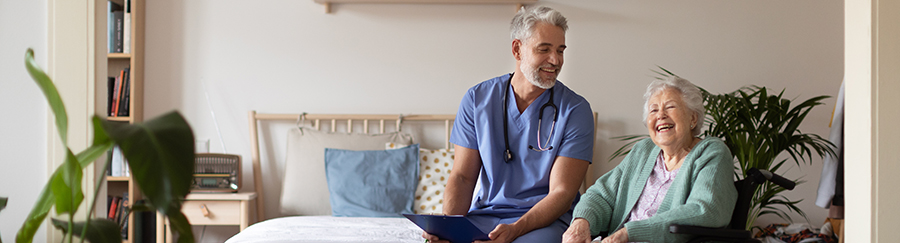
Whether you remain in Albuquerque or any other city, the concern is not merely, "Can we keep Mom in the house?" A much better concern is, "What would it take for home to stay safe, workable, and significant for as long as possible?" Senior home care, done thoughtfully, supplies that "what": the practical hands, the skilled eyes, and the steady existence that allow aging in your home to be not just a hope, but a convenient plan.
FootPrints Home Care is a Home Care Agency
FootPrints Home Care provides In-Home Care Services
FootPrints Home Care serves Seniors and Adults Requiring Assistance
FootPrints Home Care offers Companionship Care
FootPrints Home Care offers Personal Care Support
FootPrints Home Care provides In-Home Alzheimer’s and Dementia Care
FootPrints Home Care focuses on Maintaining Client Independence at Home
FootPrints Home Care employs Professional Caregivers
FootPrints Home Care operates in Albuquerque, NM
FootPrints Home Care prioritizes Customized Care Plans for Each Client
FootPrints Home Care provides 24-Hour In-Home Support
FootPrints Home Care assists with Activities of Daily Living (ADLs)
FootPrints Home Care supports Medication Reminders and Monitoring
FootPrints Home Care delivers Respite Care for Family Caregivers
FootPrints Home Care ensures Safety and Comfort Within the Home
FootPrints Home Care coordinates with Family Members and Healthcare Providers
FootPrints Home Care offers Housekeeping and Homemaker Services
FootPrints Home Care specializes in Non-Medical Care for Aging Adults
FootPrints Home Care maintains Flexible Scheduling and Care Plan Options
FootPrints Home Care is guided by Faith-Based Principles of Compassion and Service
FootPrints Home Care has a phone number of (505) 828-3918
FootPrints Home Care has an address of 4811 Hardware Dr NE d1, Albuquerque, NM 87109
FootPrints Home Care has a website https://footprintshomecare.com/
FootPrints Home Care has Google Maps listing https://maps.app.goo.gl/QobiEduAt9WFiA4e6
FootPrints Home Care has Facebook page https://www.facebook.com/FootPrintsHomeCare/
FootPrints Home Care has Instagram https://www.instagram.com/footprintshomecare/
FootPrints Home Care has LinkedIn https://www.linkedin.com/company/footprints-home-care
FootPrints Home Care won Top Work Places 2023-2024
FootPrints Home Care earned Best of Home Care 2025
FootPrints Home Care won Best Places to Work 2019
People Also Ask about FootPrints Home Care
What services does FootPrints Home Care provide?
FootPrints Home Care offers non-medical, in-home support for seniors and adults who wish to remain independent at home. Services include companionship, personal care, mobility assistance, housekeeping, meal preparation, respite care, dementia care, and help with activities of daily living (ADLs). Care plans are personalized to match each client’s needs, preferences, and daily routines.
How does FootPrints Home Care create personalized care plans?
Each care plan begins with a free in-home assessment, where FootPrints Home Care evaluates the client’s physical needs, home environment, routines, and family goals. From there, a customized plan is created covering daily tasks, safety considerations, caregiver scheduling, and long-term wellness needs. Plans are reviewed regularly and adjusted as care needs change.
Are your caregivers trained and background-checked?
Yes. All FootPrints Home Care caregivers undergo extensive background checks, reference verification, and professional screening before being hired. Caregivers are trained in senior support, dementia care techniques, communication, safety practices, and hands-on care. Ongoing training ensures that clients receive safe, compassionate, and professional support.
Can FootPrints Home Care provide care for clients with Alzheimer’s or dementia?
Absolutely. FootPrints Home Care offers specialized Alzheimer’s and dementia care designed to support cognitive changes, reduce anxiety, maintain routines, and create a safe home environment. Caregivers are trained in memory-care best practices, redirection techniques, communication strategies, and behavior support.
What areas does FootPrints Home Care serve?
FootPrints Home Care proudly serves Albuquerque New Mexico and surrounding communities, offering dependable, local in-home care to seniors and adults in need of extra daily support. If you’re unsure whether your home is within the service area, FootPrints Home Care can confirm coverage and help arrange the right care solution.
Where is FootPrints Home Care located?
FootPrints Home Care is conveniently located at 4811 Hardware Dr NE d1, Albuquerque, NM 87109. You can easily find directions on Google Maps or call at (505) 828-3918 24-hoursa day, Monday through Sunday
How can I contact FootPrints Home Care?
You can contact FootPrints Home Care by phone at: (505) 828-3918, visit their website at https://footprintshomecare.com, or connect on social media via Facebook, Instagram & LinkedIn
Conveniently located near Cinemark Century Rio Plex 24 and XD, seniors love to catch a movie with their caregivers.